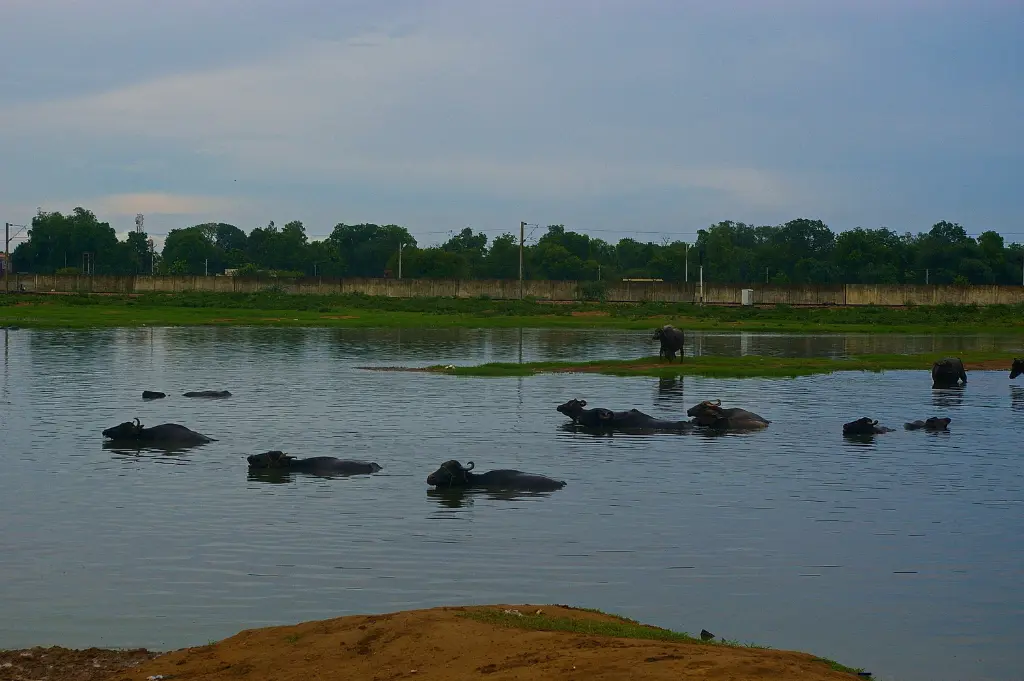
Jaipur

Welcome to Jaipur and its surroundings
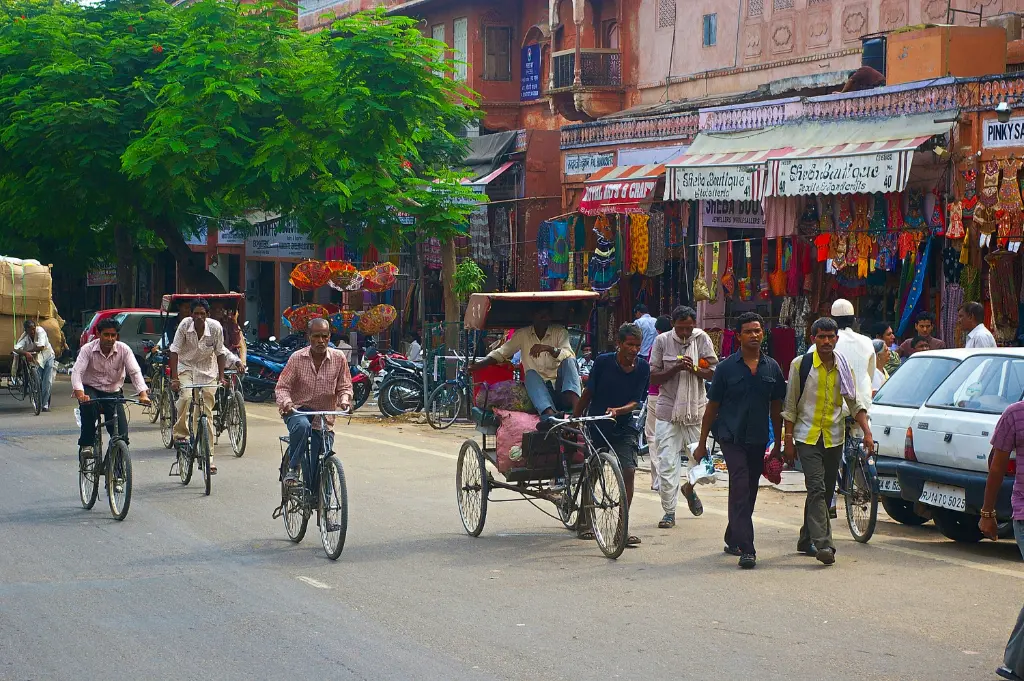
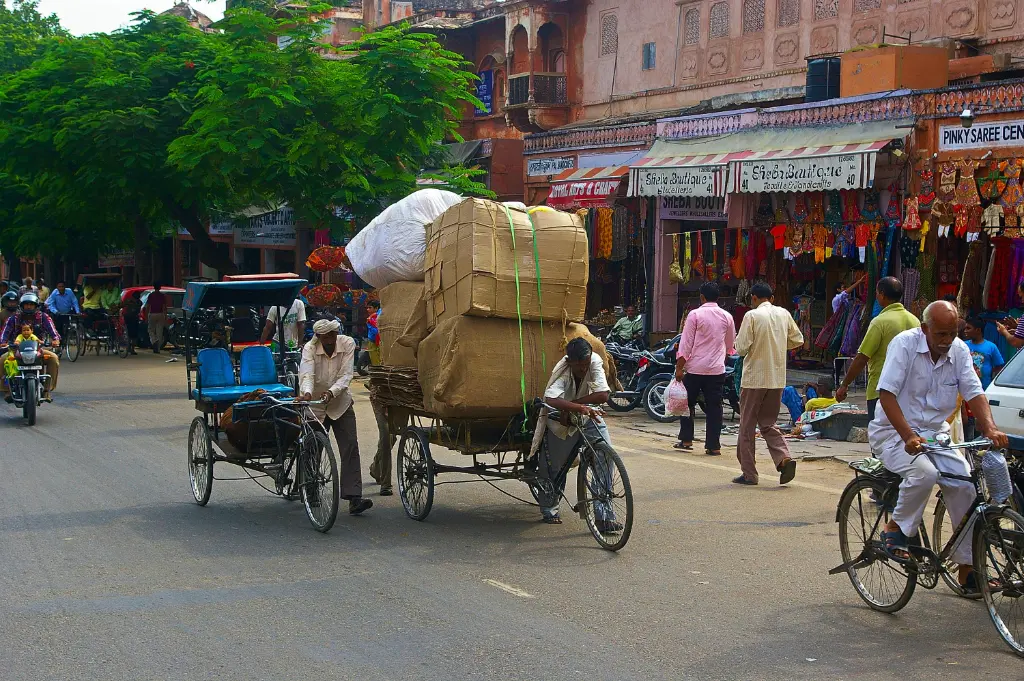
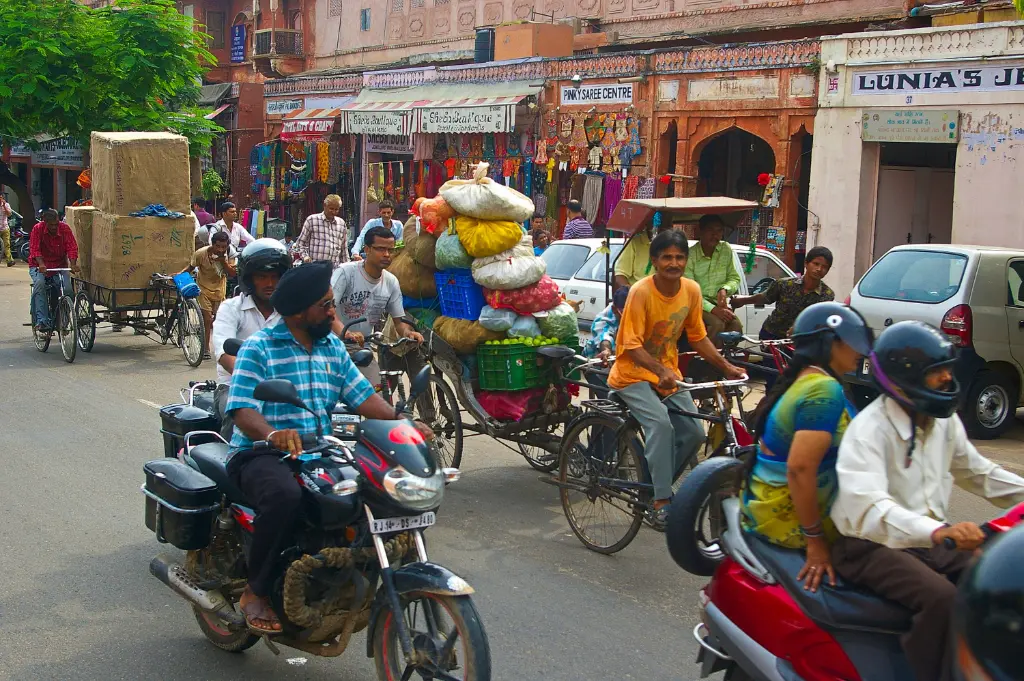
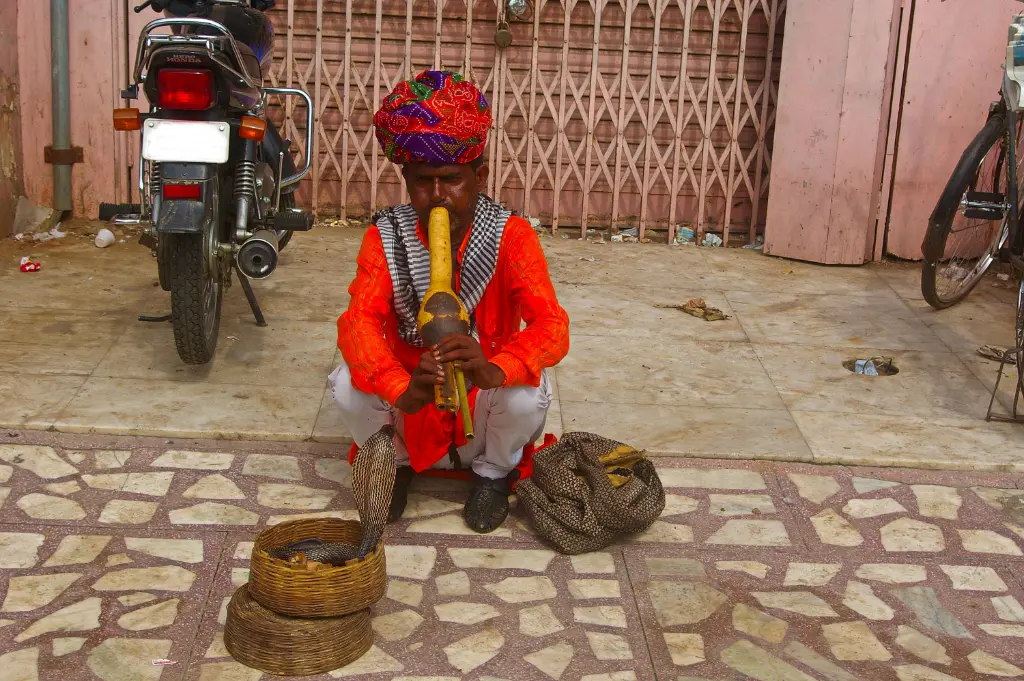
Jaipur, located at the entrance to Rajasthan, rises to an altitude of nearly 430 meters within the Aravalli mountain range; the streets of Jaipur are very lively, with vehicles of all kinds, and one can discover snake charmers there. During my visit, I explored the Amber Fort and admired for a long time the facade of the Palace of Winds, also called Hawa Mahal. The Amber Fort is located about ten kilometers from Jaipur; it stands above a small lake at the mouth of a mountain gorge and is surrounded by a wall about ten kilometers long. It was built at the end of the 16th century.
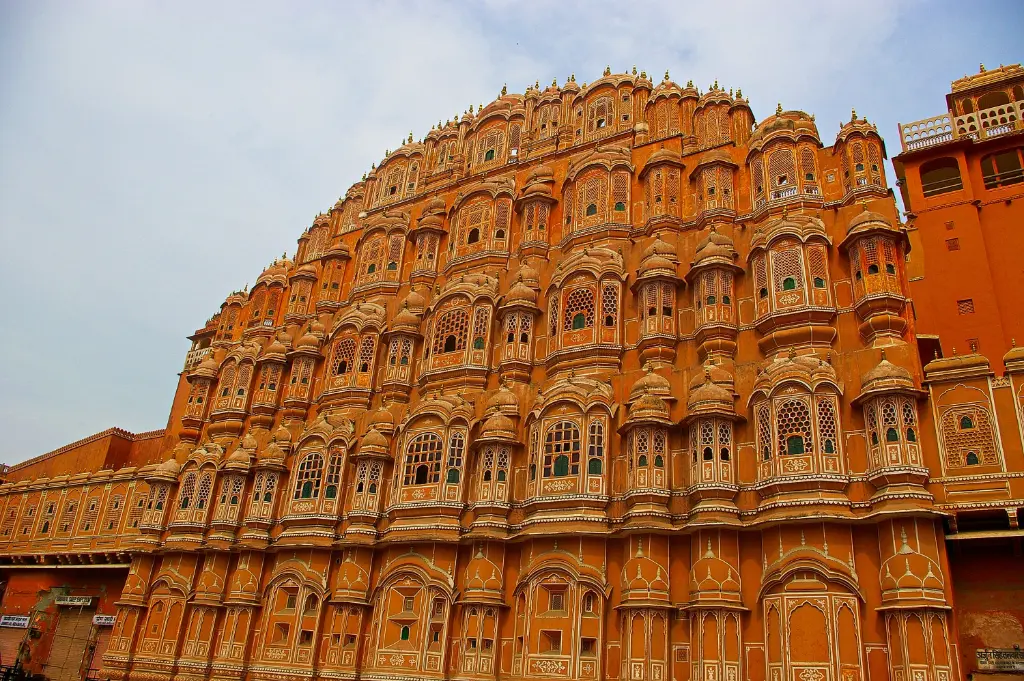
The Palace of the Winds
The Hawa Mahal, also known as the Palace of Winds, is an iconic building in Jaipur, erected in 1799 on the orders of a Maharaja. Its distinctive feature lies in its many windows, which allowed the women of the harem to observe the street while remaining discreet. Its name comes from its ingenious architecture, which promotes air circulation and thus maintains a pleasant coolness inside.
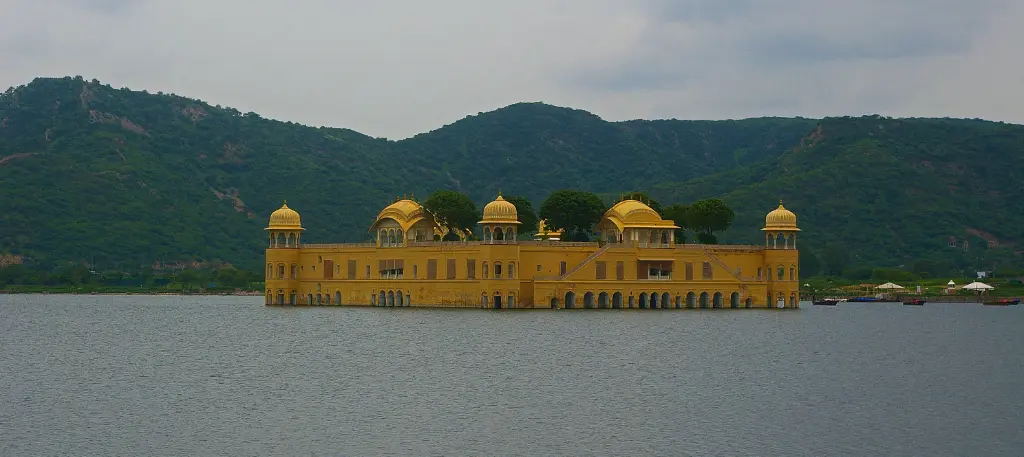
The Jal Mahal
Jal Mahal, also known as the Water Palace, is located in the middle of Man Sagar Lake in Jaipur, India. It is built of red sandstone and white marble and is surrounded by lush green mountains and hills. The palace is accessible by boat and offers stunning views of the surrounding area.
Amber Fortress
Amber Fort is a true historical treasure located in Jaipur. It houses several magnificent palaces, temples, and gardens, all built in a unique architectural style that reflects the cultural richness of India.
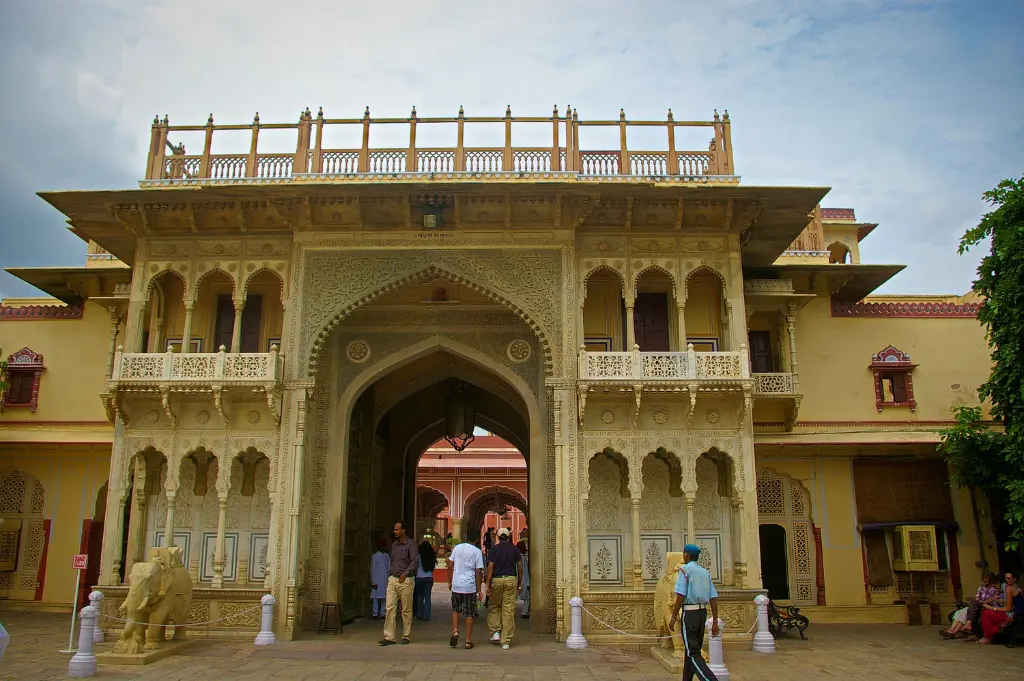
City Palace of Jaipur
📜 History
Built between 1729 and 1732 by the Maharaja Sawai Jai Singh II, founder of Jaipur, the City Palace is a vast complex that elegantly blends styles Rajput, Mughal and European. It was enlarged over the centuries by its successors, while retaining its role as royal residence — part of the palace is still inhabited by the Maharaja's family.
🏛️ Architecture and emblematic places
- Chandra Mahal : Moon Palace, private residence of the Maharaja, rising on seven floors. Only the lower floors are accessible to the public, the others being still inhabited.
- Mubarak Mahal : Former reception palace, now transformed into a museum exhibiting royal costumes, the precious fabrics and the ceremonial objects.
- Diwan-i-Khas : Hall of Private Audiences, famous for its two huge silver jars (345 kg each), used to transport sacred water from the Ganges during a royal journey to England.
- Pitam Niwas Chowk : Inner courtyard with richly decorated doors, each representing a season or a Hindu deity.
- Maharani's Palace : Former residence of the queen, now housing a collection of Rajput weapons dating from the 15th century.
🎨 Museums and collections
- Art gallery : Mughal and Persian miniatures, royal elephant seats, ritual objects.
- Sawai Man Singh II Museum : Traditional costumes, rare textiles, jewelry and everyday objects of the maharajas.
🌿 Atmosphere and visit
The City Palace is a immersion in royal life from Rajasthan. Between the flowery courtyards, the sculpted facades, the pastel walls and the golden details, every corner tells a story. guided tours are offered to better understand the symbols and historical anecdotes.
City Palace of Jaipur
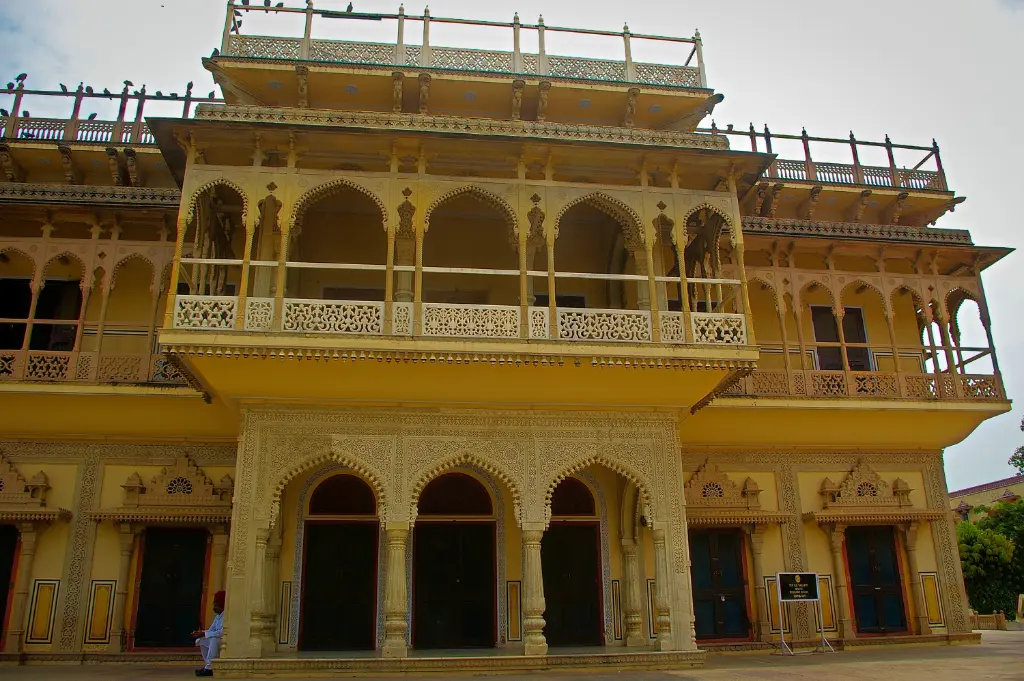
City Palace of Jaipur
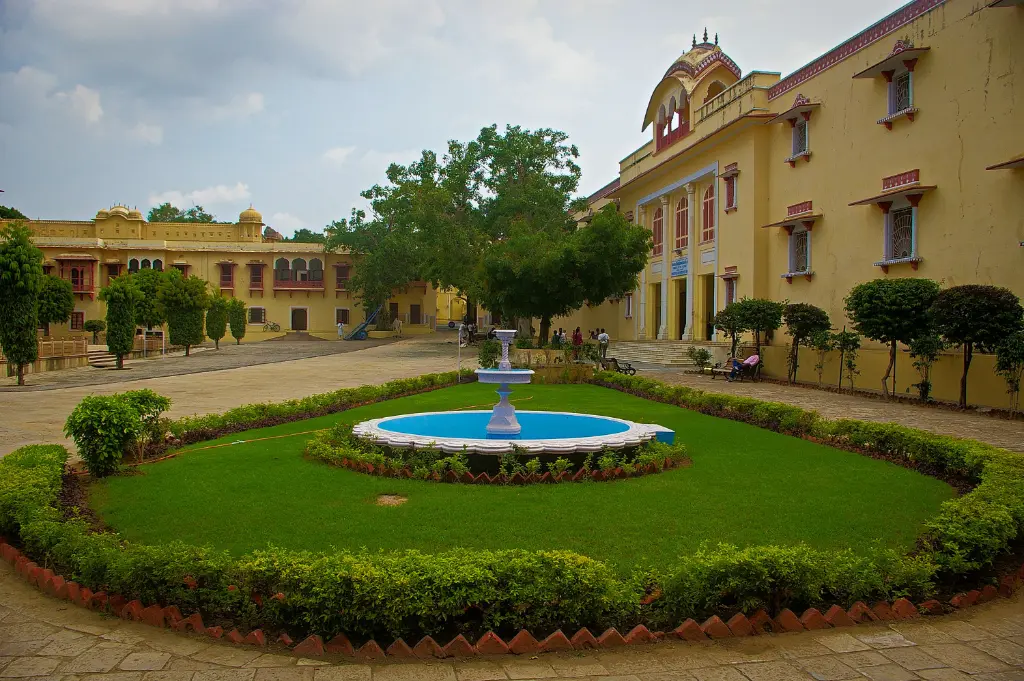
City Palace of Jaipur
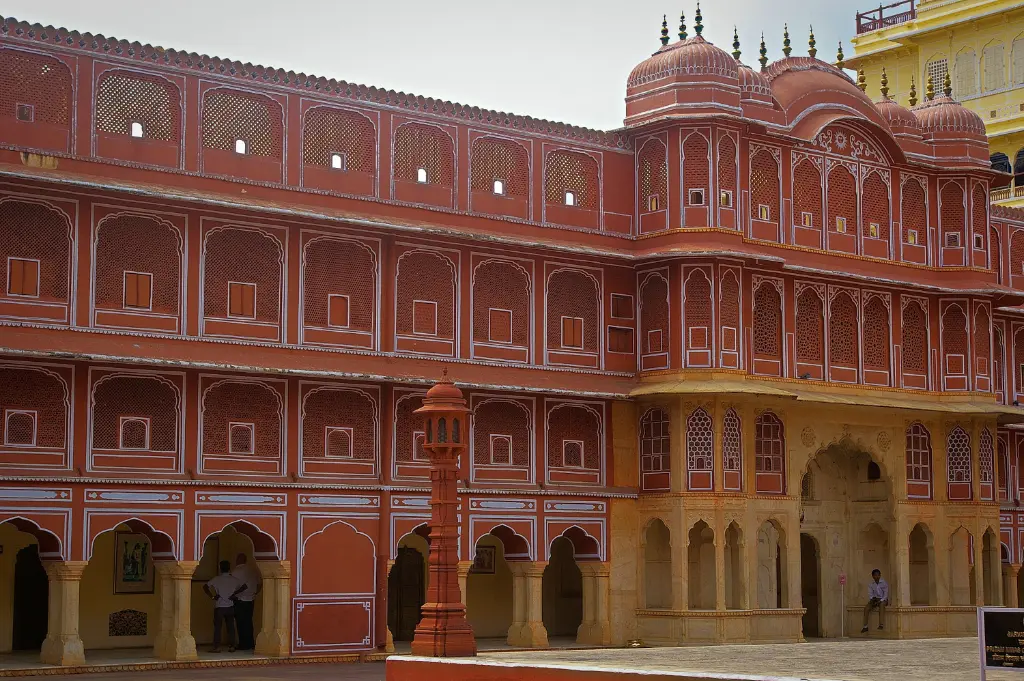
City Palace of Jaipur
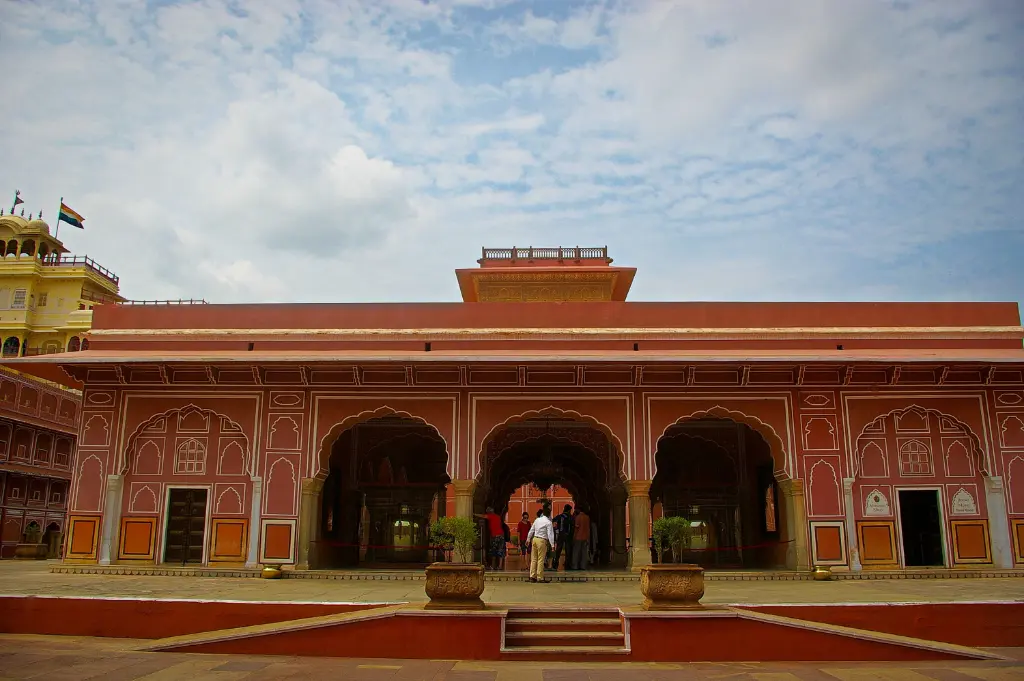
City Palace of Jaipur
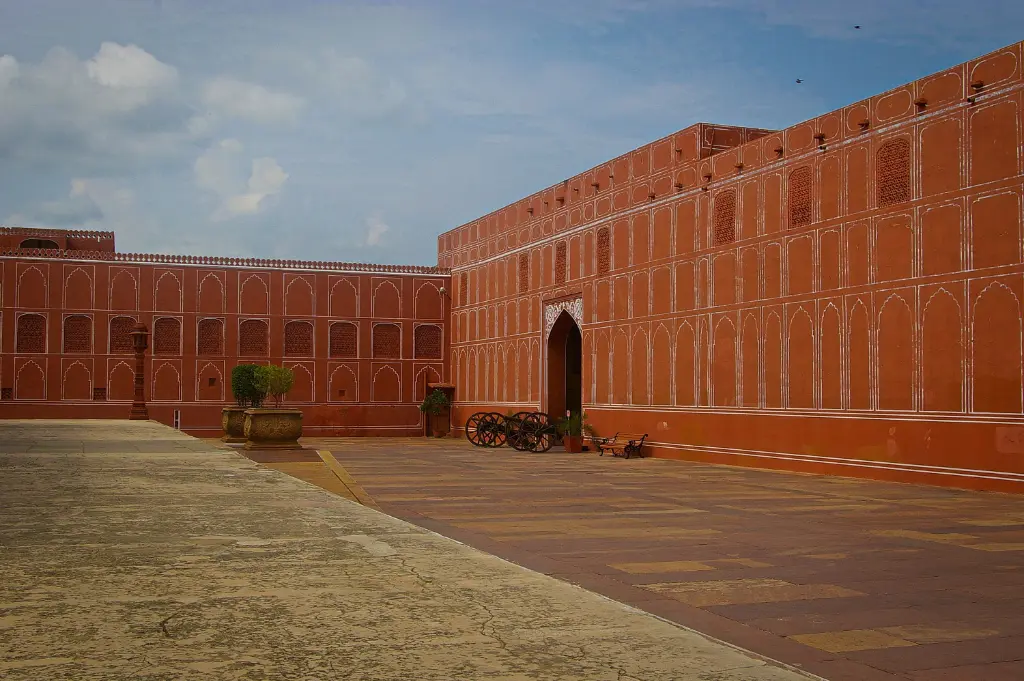
City Palace of Jaipur
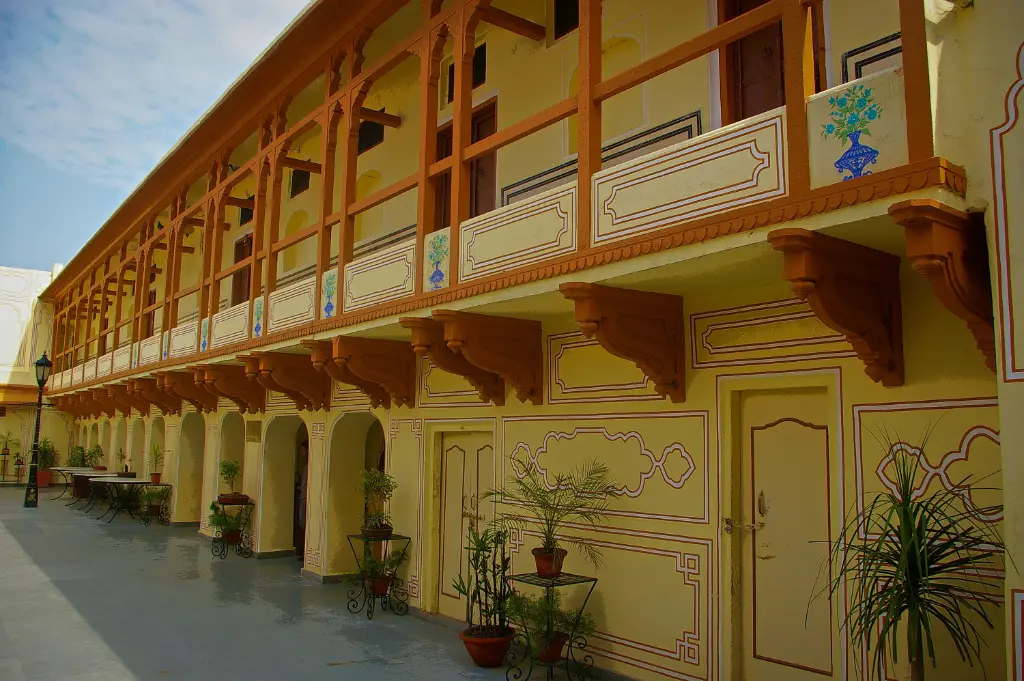
City Palace of Jaipur
The streets of Jaipur
🛣️ Urban structure: a checkerboard plan
Jaipur, founded in 1727 by Maharaja Sawai Jai Singh II, is one of the first planned cities in India. Unlike ancient cities with winding streets, Jaipur follows a grid plan inspired by Vedic architecture. The main streets intersect at right angles, forming public places called chaupars, which serve as social and commercial crossroads.
🏛️ Facades and atmosphere
- The streets are lined with shops with continuous colonnades, creating an impression of unity and elegance.
- The facades are uniform, often painted in shades of pink and terracotta, which earned Jaipur its nickname of "ville rose".
- The architecture mixes influences Rajputs, Mughals and Westerners, with carved balconies, jharokhas (projecting windows) and ornate doors.
🛍️ Daily life and markets
- In the streets of the old town you will find lively bazaars such as Johari Bazaar (jewelry), Tripolia Bazaar (textiles) or Bapu Bazaar (handicrafts).
- The sidewalks are overflowing with street vendors, of rickshaws honking, of sacred cows on a walk and scents of spices.
- Each street seems to have its own specialty: saris, puppets, spices, pottery, or even brass objects.
🌅 Sensory atmosphere
- In the morning, the streets are bathed in a golden light that brings out the pink tones of the buildings.
- At midday, they vibrate with heat, the cries of vendors and traditional music.
- In the evening, the subdued lights of the stalls and the incense diffuse an almost mystical atmosphere.
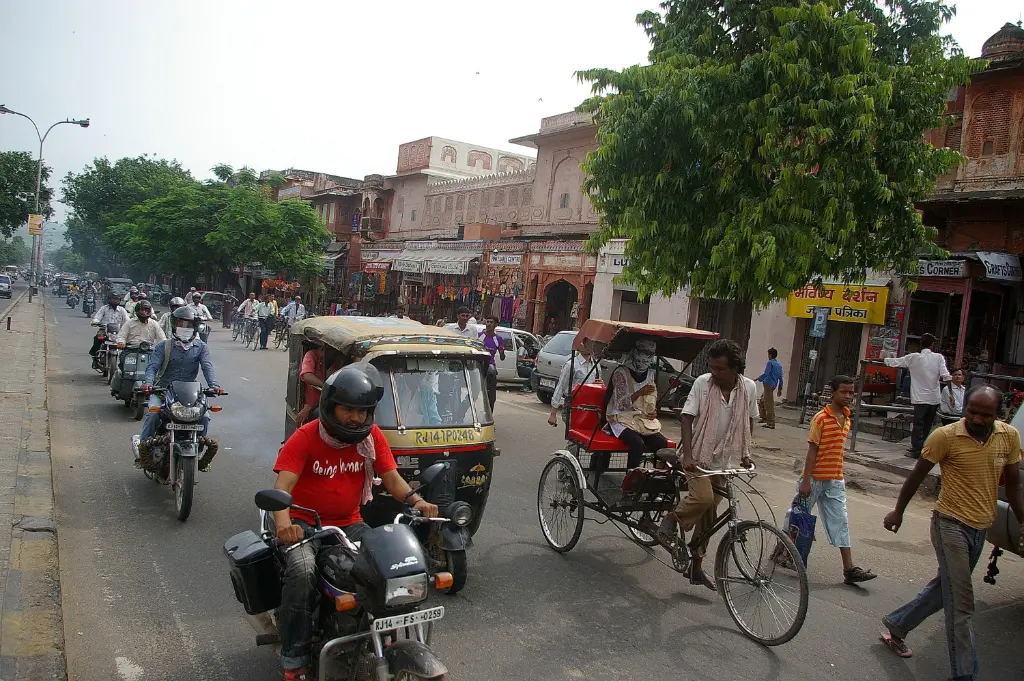
The Streets of Jaipur
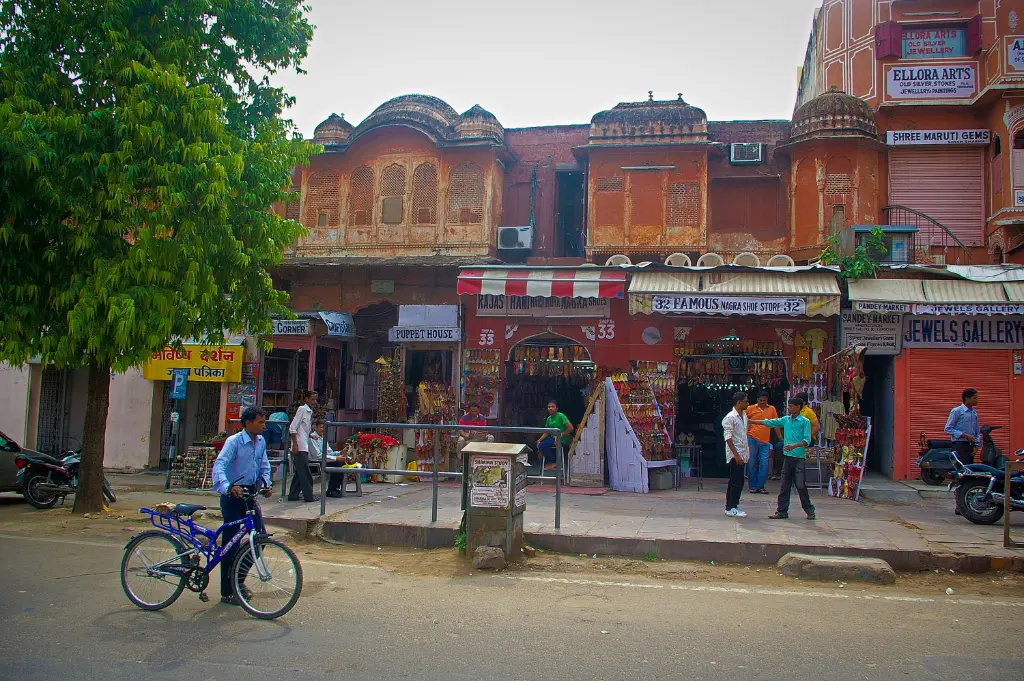
The Streets of Jaipur
The Streets of Jaipur
The Streets of Jaipur
The Streets of Jaipur
The Streets of Jaipur
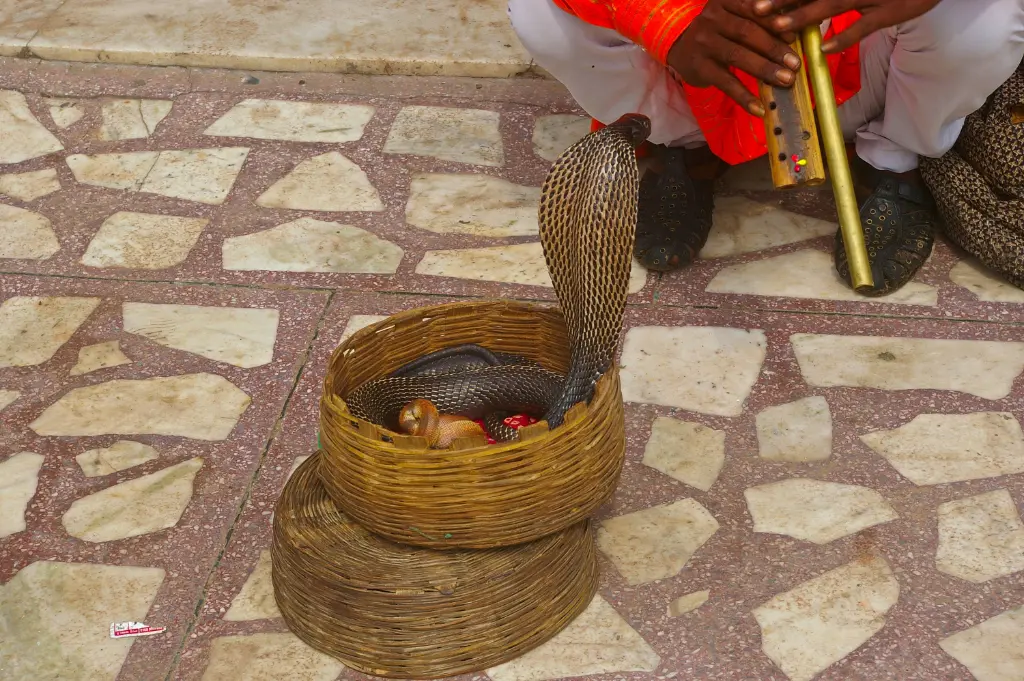
The Streets of Jaipur
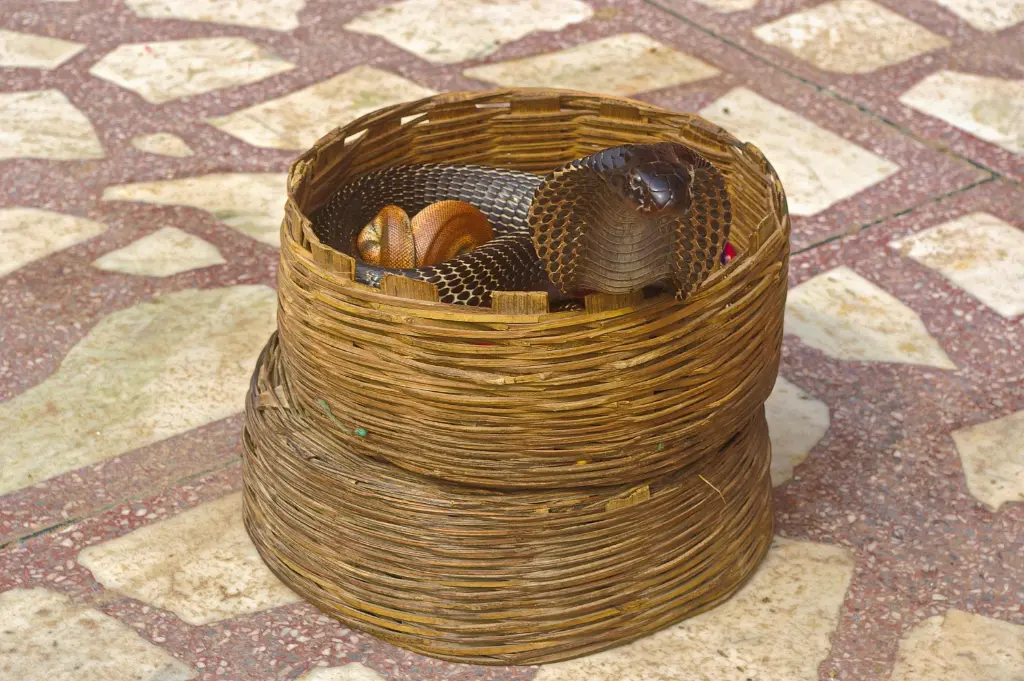
The Streets of Jaipur
On the road from Jaipur to New Delhi
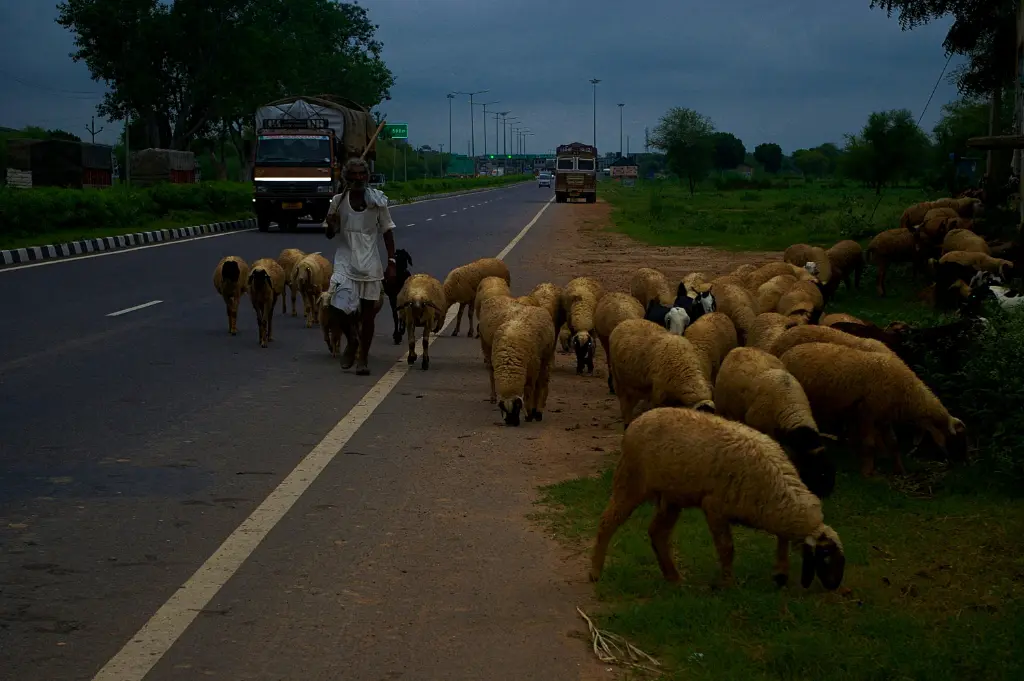
Meeting on the road from Jaipur to New Delhi
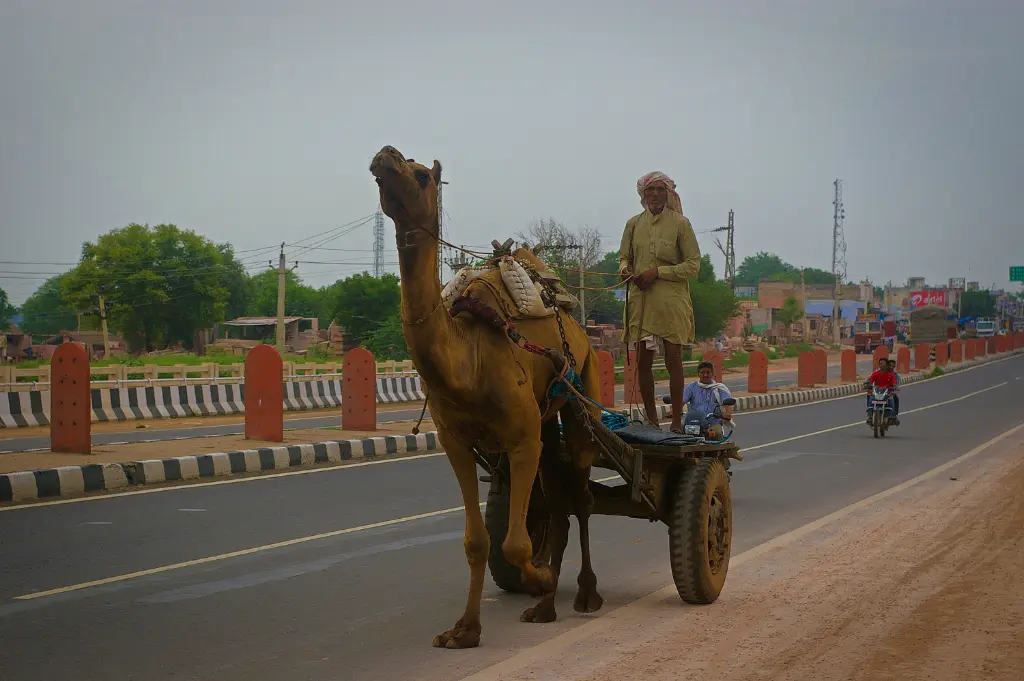
Meeting on the road from Jaipur to New Delhi
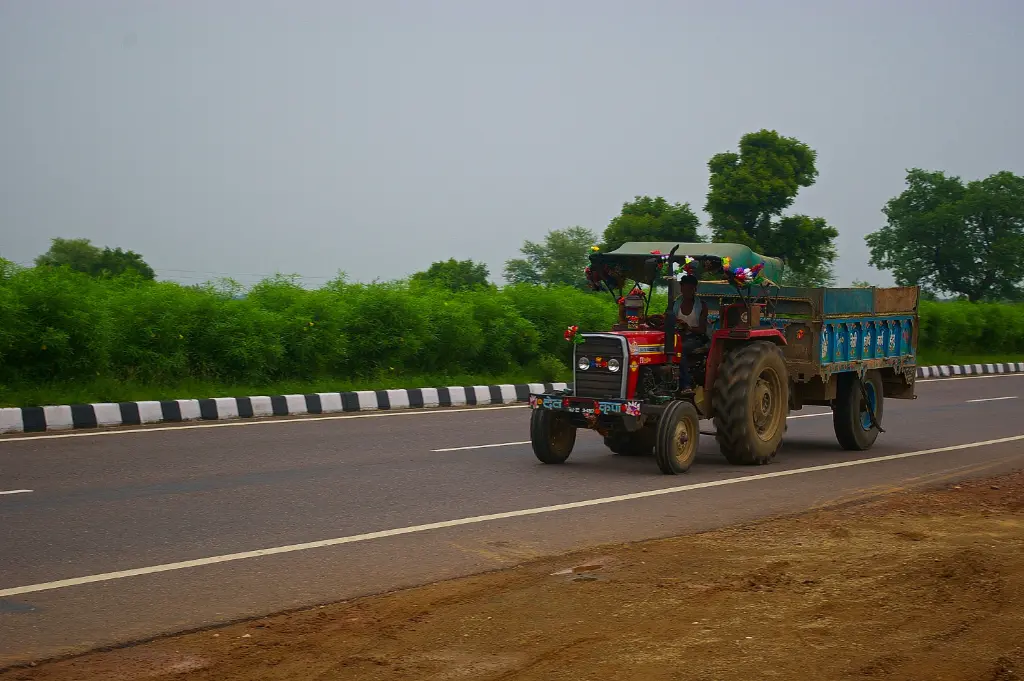
Meeting on the road from Jaipur to New Delhi
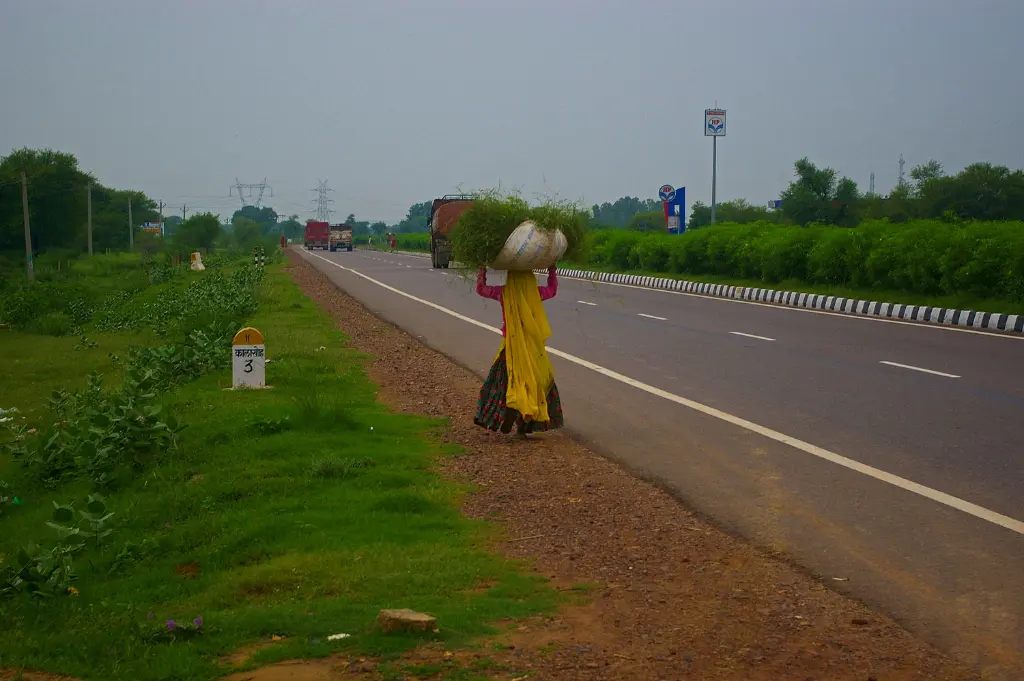
Meeting on the road from Jaipur to New Delhi
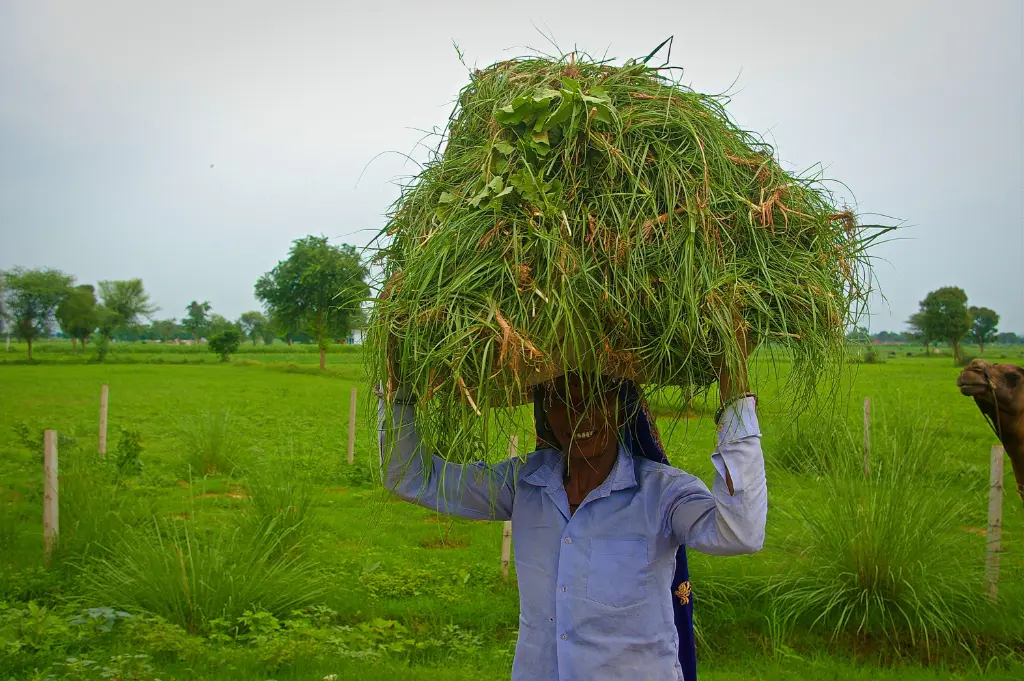
Meeting on the road from Jaipur to New Delhi
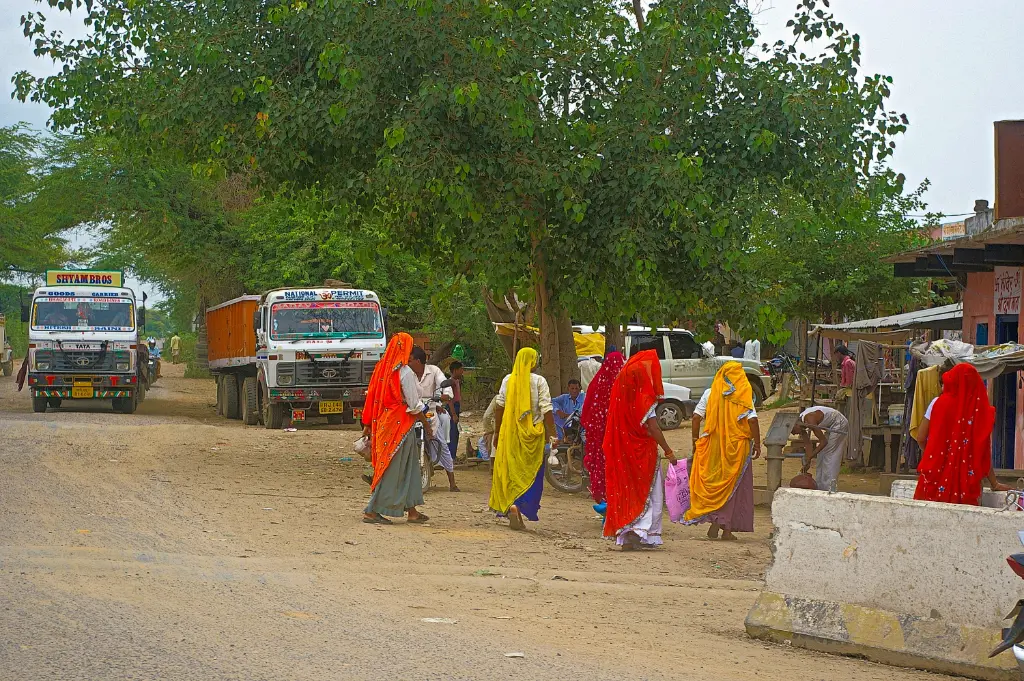
Meeting on the road from Jaipur to New Delhi
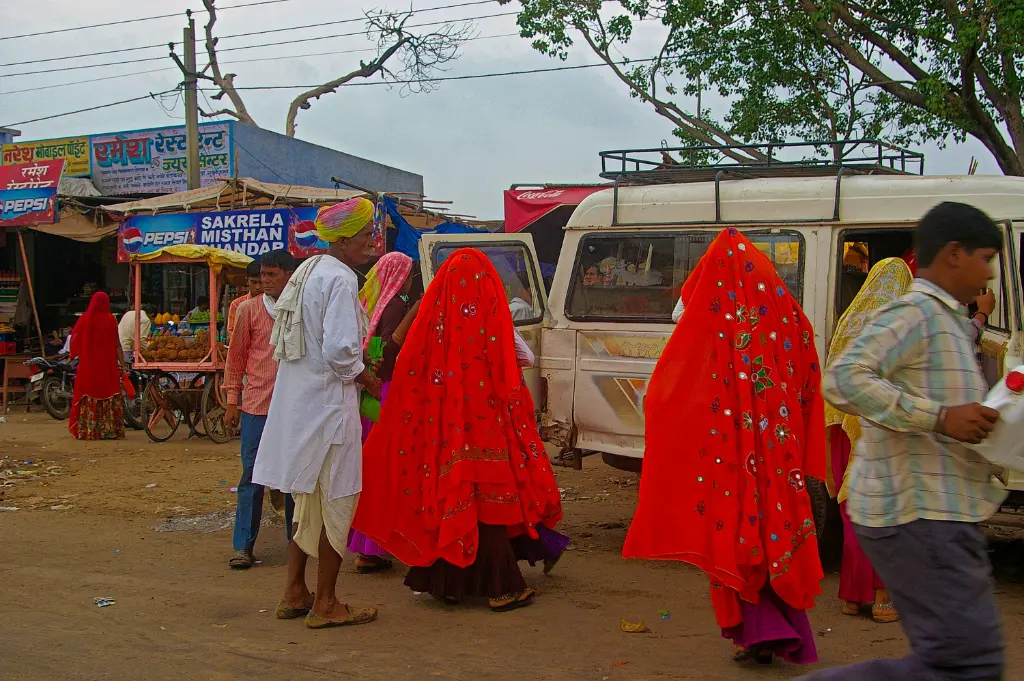
Meeting on the road from Jaipur to New Delhi
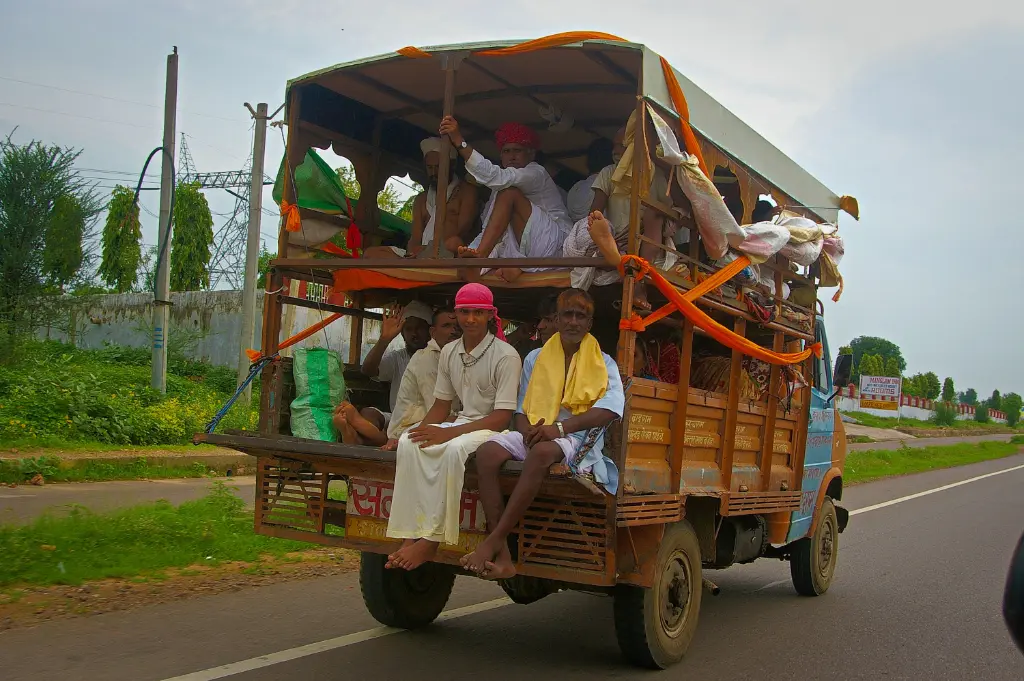
Meeting on the road from Jaipur to New Delhi
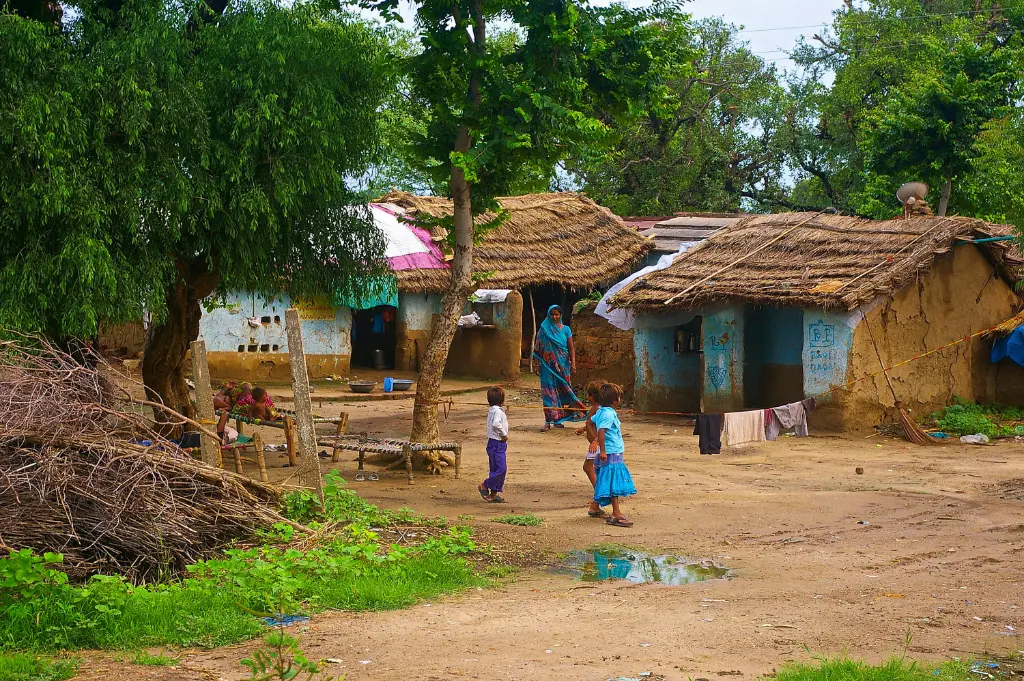
Meeting on the road from Jaipur to New Delhi
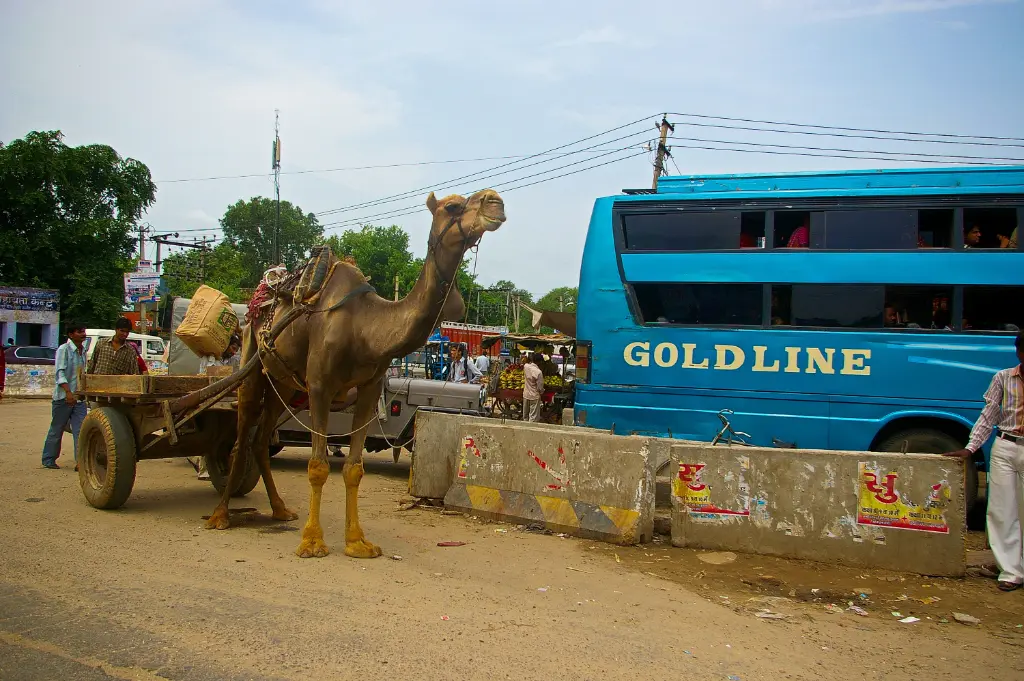
Meeting on the road from Jaipur to New Delhi
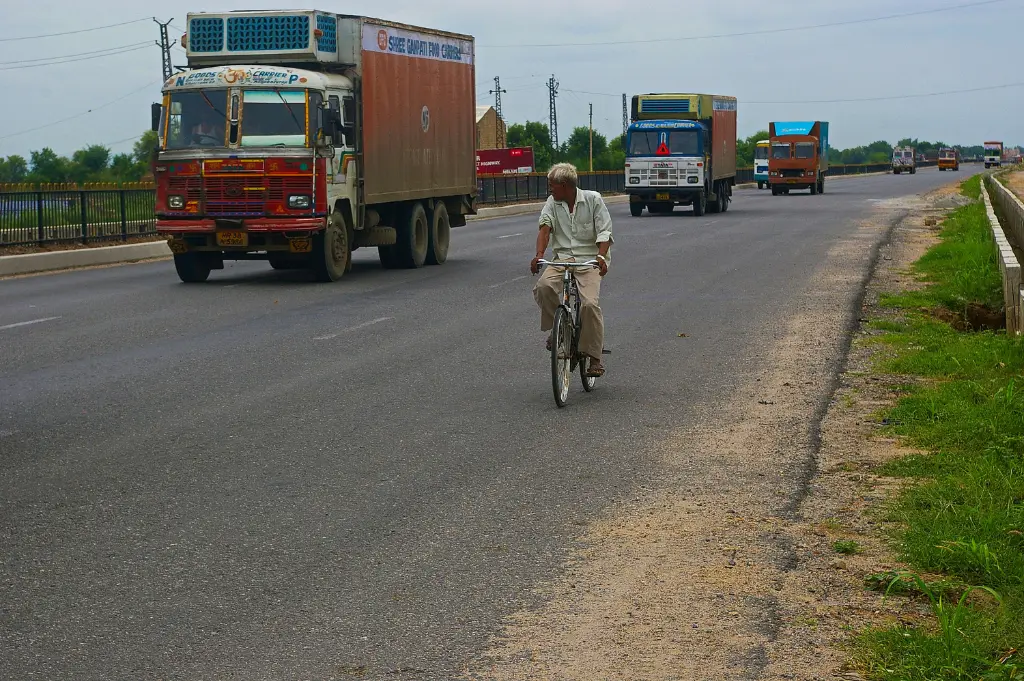
Rencontre sur la route de jaipur à New Delhilhi (13)
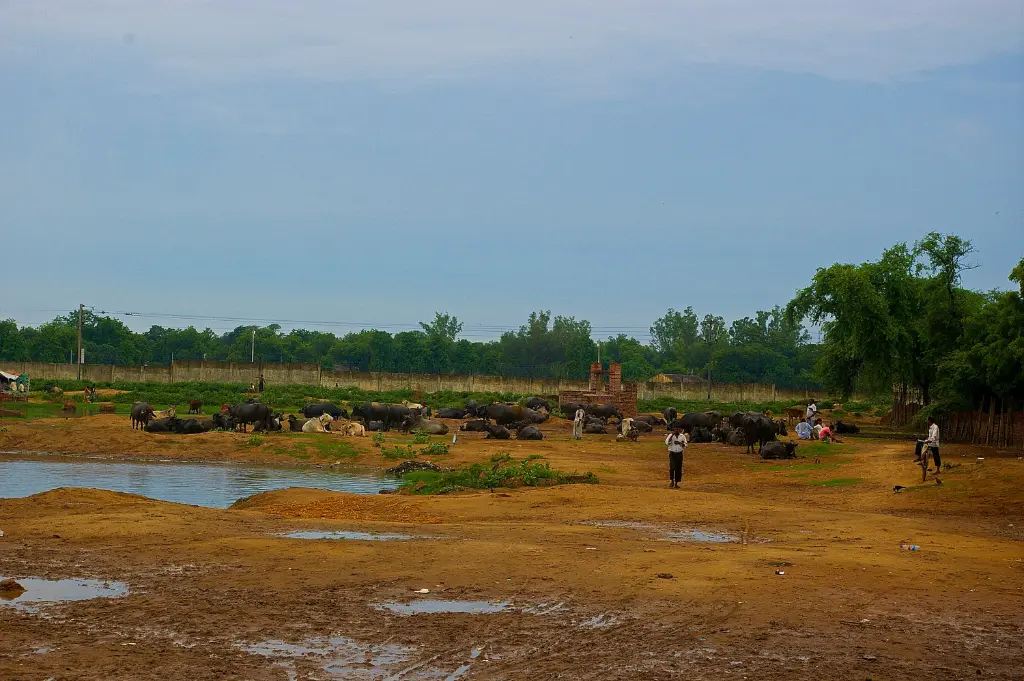
Meeting on the road from Jaipur to New Delhi